Table Of Content

Notice how this brochure features one consistent color palette. This makes the brand pop and ensures the design is harmonious. Mindset refers to a person or community’s way of feeling, thinking, and acting about a topic. The mindsets you hold, consciously or subconsciously, shape how you feel, think, and act–and... Radial Balance is when textual elements flow from the center of a text.
Let Your Business Soar to Success with These 10 Amazing Airline Logos
The difference between symmetrical and asymmetrical balance is as simple as the difference between a formal theme and a casual theme. Symmetrical balance maintains similar weights on both sides while asymmetry tries to create balance with different weights but a justified focal point. To simplify this further, let’s look at both symmetrical and asymmetrical balance and how to add them to your design.
White Space
The images at the top of Hirondelle USA’s home page rotate. I grabbed a screenshot of this one specifically to talk about the asymmetrical balance established at the top of the page. While some of its elements might be focal points and attract your eye, no one area of the composition draws your eye so much that you can’t see the other areas. Balance can also help draw the viewer’s attention towards specific elements in a design. When used correctly, you can create focal points in a composition that will guide the reader to the most important information at hand. Knowing the types of balance is just one part of the battle in implementing your choice of balance in design.
Understand balance to design better products
There are also the Gestalt principles, including the law of Pragnanz or “good Gestalt” that states the human brain will naturally try to simplify complexity. Movement helps the eye shift naturally from one element to the next, down the page (or across it, depending on the dimensions). Often, principles like hierarchy, repetition and rhythm create movement. If you apply these principles to a design, the eye will flow through a composition. Rhythm goes well with repetition and movement, two design principles I’ll touch on in a moment. And along with movement, rhythm suggests vitality in a design.
The designer uses movement to guide the viewer around different design elements. The role of hierarchy in design is to create a visual ranking system according to the logical priority of content. It helps guide viewers from the most important information to the least important by creating a logical flow and arrangement of that content. Most web pages are built on a grid system, and this creates a form of balance for the page right away. Customers can see the grid, even if there aren't any visible lines. Web pages are well suited to grid designs because of the square nature of web shapes.
11 Web Design Principles You Need To Know - Built In
11 Web Design Principles You Need To Know.
Posted: Mon, 23 Nov 2020 08:00:00 GMT [source]
Real-Life Examples and Pro Tips to Achieve Balance in Design
If one of the people was much bigger, though, the balance would be thrown off. Meet “TypeScript in 50 Lessons”, our shiny new guide to TypeScript. With detailed code walkthroughs, hands-on examples and common gotchas.
Pattern
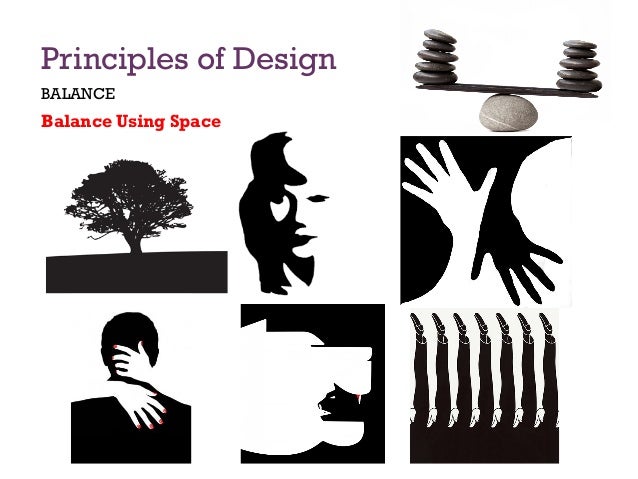
Need some help using symmetry to create visually memorable designs? Enhance your marketing strategy with professional, unlimited graphic design from Kimp. The elements perfectly balance each other out on both sides, with black on white and white on black. The design is appealing to the eye and feels rather calming and organized. While it has such great appeal, symmetrical balance might look too plain without strong focal points in the design. Subtle changes in design, like changing the color of one or more elements can drastically alter the balance and create a focal point when required.
The Balance of Power: Progression and Equilibrium in Real-Time Strategy Games - Game Developer
The Balance of Power: Progression and Equilibrium in Real-Time Strategy Games.
Posted: Mon, 06 Mar 2017 08:00:00 GMT [source]
Essential Content Metrics Every Marketer Needs To Know
The most common forms of alignment are left-aligned, right-aligned, and center-aligned. By aligning the different visual objects, you help guide your viewer throughout the design. It is a way to create a connection and visual flow between related objects and create a more unified result in the design. Proportion is also the relationship between those visual elements.
Radial balance can be achieved through symmetry by creating a center point and then repeating other elements. An example would be the mandala, which is a symbolic diagram typically found in Eastern religions, such as Hinduism or Buddhism. They commonly use shape and color patterns to create well-balanced pieces of art. Movement is a dynamic principle of design that guides the viewer's eye through a composition in a deliberate and intentional way. It involves the strategic arrangement of elements to create a visual flow that connects one part of the design to another, suggesting action or direction.
Everyone has seen a website or other design out there that seemed to just throw elements on a page with no regard for how they worked together. Newspaper ads that use ten different fonts come to mind almost immediately. Hierarchy is most easily illustrated through the use of titles and headings in a design. The title of a page should be given the most importance, and therefore should be immediately recognizable as the most important element on a page. Headings and subheadings should be formatted in a way that shows their importance in relation to each other as well as in relation to the title and body copy. Emphasis deals with the parts of a design that are meant to stand out.
The Shiny Demos heading in the upper left and the Opera logo in the lower right counterbalance each other and also appear to radiate from the same center as the text links. Opera’s Shiny Demos home page isn’t circular, but the text links all seem to emanate from a common or near common center. It’s easy to imagine the whole shape spinning around one of the squares in the middle or maybe one of the corners where four squares meet. The smaller circle in the upper right adds a little translation symmetry and some asymmetry, increasing visual interest in the composition. The distance to an imagined fulcrum is about the same as the weights. The text on the right is larger and darker overall, but the blue circular logo gives more weight to its general area.
A large shape near the centre of a painting can be balanced by a small shape near the edge, just like a see-saw. Gestalt Principles include similarity, continuation, closure, proximity, figure/ground, and symmetry & order (also called prägnanz). Some of those principles are closely related to the principles mentioned above.
You may design a layout that is perfectly balanced in the initial view, but when the reader scrolls the page, it can come out of balance. This is translational symmetry—when visual elements repeat across a location in space. This repetition can happen for any length or in any direction.
You can create stability with symmetrical balance, instill a dynamic feel with asymmetrical balance, and use radial balance for a sense of motion or to provoke thought. In some cases, however, you may deliberately reject balance to specifically cause your audience to feel a sense of unease. If you want to convey a sense of absence, loss, or that something is wrong, deliberate lack of balance can work in your favor.
That’s why, when given a chance brands feel hesitant to play with asymmetrical balance. Here are some misconceptions about balance in design that puzzle both designers and brands looking for new graphic designs. But balance in the truest sense makes the most of both symmetry and asymmetry. That brings us to the two main types of balance that you are likely to find symmetrical balance and asymmetrical balance. In graphic design, balance can create a number of effects, depending on the type you choose and how you achieve it.
Repetition can also enhance brand recognition and reinforce messaging by establishing a familiar and predictable pattern that viewers can easily understand. This principle is particularly effective in guiding the viewer’s attention across a design and providing a structured path for visual navigation. Implementing repetition properly can dramatically increase the effectiveness and aesthetic quality of a design, ensuring that it is both engaging and functional.